News
Why Your OTP Is the Most Valuable Code in Nigeria Right Now
Feb 23, 2026
4m Min

Why Your OTP Is the Most Valuable Code in Nigeria Right Now
It is just six digits.You receive it almost every day when logging into your bank app, confirming a transfer, signing into WhatsApp, or verifying a transaction.
But in Nigeria today, that small six-digit code, your OTP (One-Time Password) may be the most valuable thing on your phone, and scammers know it.
Why OTPs Are a Prime Target
An OTP is designed to protect you. It confirms that you are the one trying to access your account. But once a fraudster tricks you into sharing that code, the protection disappears.
With your OTP, scammers can:
● Complete unauthorised bank transfers
● Take over your WhatsApp account
● Reset your passwords
● Access fintech wallets
● Lock you out of your own accounts
In many fraud cases, the victim did not “hack” anything.
They were simply manipulated into revealing the code themselves.
How Nigerians Are Being Tricked
Fraudsters rarely ask for an OTP directly. Instead, they create urgency or confusion:
● “Your account will be blocked. Send the code to verify.”
● “I mistakenly sent money to you. Kindly share the OTP.”
● “Customer care calling, we need your code to stop a transaction.”
● “You’ve won a prize. Send the verification code.”
The message or call feels official. Sometimes it even looks like it’s coming from a trusted source.
But here is the truth:
No legitimate bank or company will ever ask you to share your OTP. Ever.
Why Smart People Still Share It
OTP scams work because they combine Urgency, Authority, Fear and Technical confusion. When someone sounds confident and official, especially under pressure, many people respond without thinking. Once that six digit code is shared, the damage can happen in seconds.
How ScamGuard Helps Protect You
At ProtecAI, we understand that many fraud cases begin with a message.
ScamGuard analyses incoming SMS in real time, detecting:
● Messages requesting verification codes
● Urgent or manipulative language
● Suspicious sender behaviour
● Scam patterns linked to account takeover
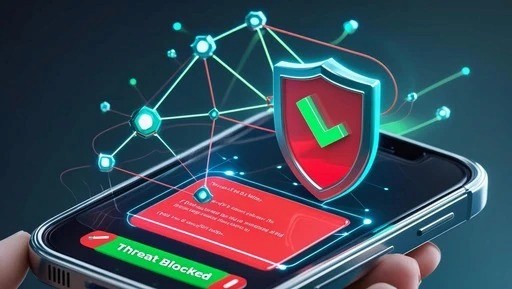
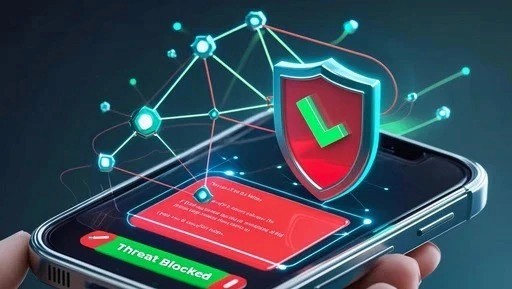
If a message shows signs of OTP related fraud, ScamGuard flags it immediately before you act.
Because sometimes protection is not about stopping hackers.
It is about stopping manipulation.
One Rule That Can Save Your Money
Memorise this:
Your OTP is private.
If you did not request it, do not share it.
If someone asks for it, it is a scam.
No exceptions.
Protect What Protects You
Your OTP was created to secure your accounts. Don’t let it become the key that unlocks them for someone else.
ScamGuard is Coming!!!!!!!!
"Block Quote"


Blog
Related Articles

More Articles